Critical Methods for Low-Cost Automobile Maintenance: Trim Hours and Money
Identifying economical vehicle maintenance can be a tricky task for many car owners. With diverse options available, it is essential to approach the process carefully. By researching local mechanics and understanding automobile maintenance necessities, consumers can evade unnecessary expenses. There are also solutions to tackle minor matters on their own. However, the course doesn't end there; exploring other economical options can lead to increased monetary benefits. What strategies might be worth pondering next?
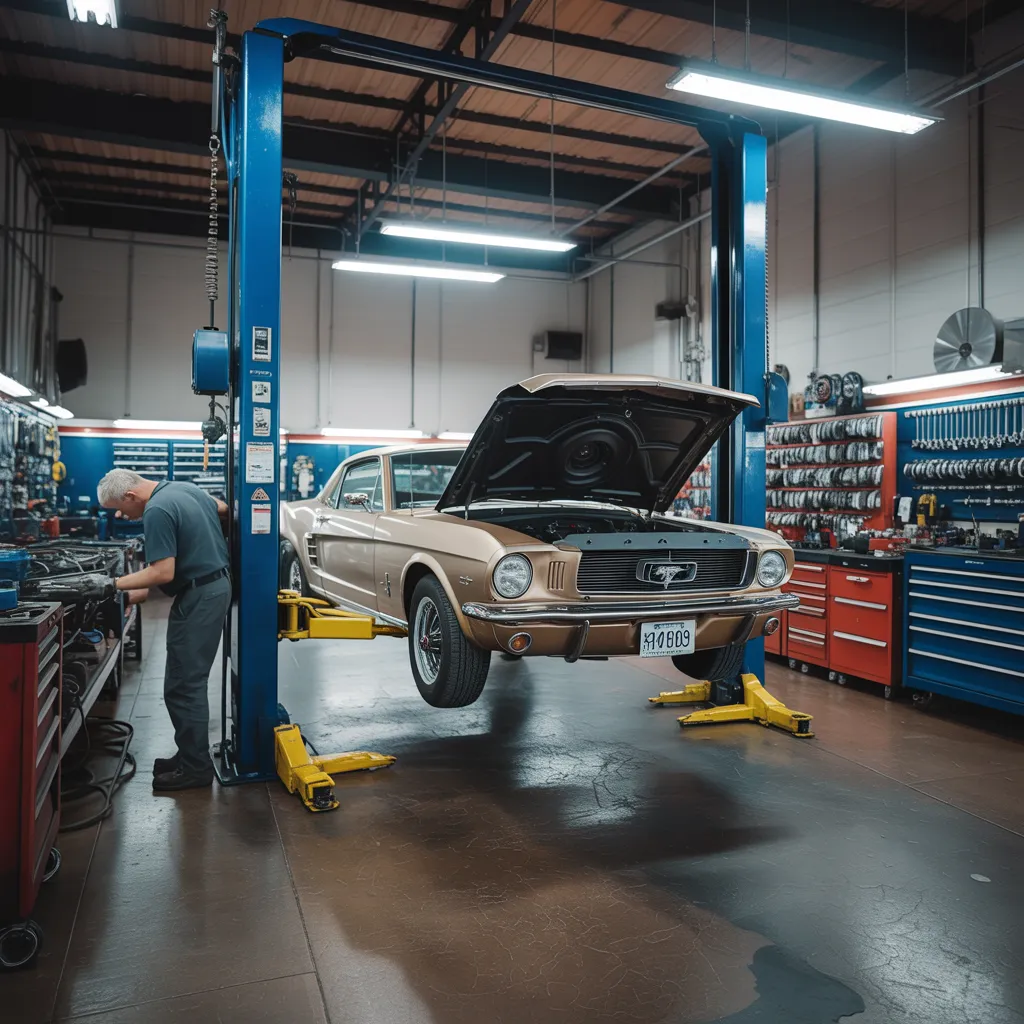
Examine and Compare Local Mechanics
When looking for affordable auto repair, it is essential to examine and evaluate local mechanics to ensure the best value for service. A thorough investigation involves examining online reviews, ratings, and testimonials to assess the quality of service provided. Consumers should also inquire about the certifications and experience of the mechanics, as this can greatly influence the reliability of repairs.
Also, securing proposals from several facilities offers insight into the average costs for exact services. This review helps to detect any remarkably steep or suspiciously low prices. Moreover, visiting mechanics in person gives you a greater examination of their skill and customer service, which are critical factors in fostering trust.
Ultimately, comprehensive investigation and contrast empower vehicle owners to decide intelligently, ensuring they appoint a mechanic who presents both quality repairs and equitable charges, in turn saving money in the distant future.
Know what your vehicle needs for maintenance
How can vehicle owners guarantee their cars remain in peak condition? Grasping a vehicle's service requirements is essential. Each car comes with a manufacturer's maintenance schedule, specifying when particular maintenance should be done. This schedule typically includes oil changes, tire rotations, brake inspections, and fluid replacements. Adhering to these recommendations helps prevent costly repairs down the line.
Moreover, owners should be mindful of warning signs suggesting potential difficulties, such as strange sounds or warning indicators. Regularly checking fluid levels, tyre inflation, and the condition of belts and tubes can also extend a car's lifespan.
Use do-it-yourself fixes for minor issues
Comprehending a car's maintenance needs establishes the basis for effective car care, while many small problems can be handled through DIY fixes. For example, jobs such as changing windshield wipers, replacing air filters, or topping off fluids can be easily managed by car owners. DIY repairs not only reduce costs on labor expenses but also enable people to develop a better comprehension of their vehicles.
Internet resources, featuring tutorial videos and forums, deliver helpful guidance for those unfamiliar with car maintenance. Essential tools, such as wrenches, screwdrivers, and pliers, are often sufficient for these simple repairs. Additionally, performing regular upkeep of minor issues can stop them from escalating into more substantial problems, ultimately extending the vehicle's lifespan. By adopting a DIY approach, car owners can successfully manage their maintenance needs while reducing expenses and enhancing their overall automotive knowledge.
Find Discounts and Promotions
What approaches can car owners apply to reduce spending on repair costs? One practical solution is to seek out deals and promotions given by auto repair shops. Many businesses present periodic discounts, customer rewards programs, or referral incentives that can greatly minimize repair bills. Car owners should also copyright for newsletters or monitor online pages of local repair shops, as these often highlight exclusive deals.
Additionally, utilizing web-based coupon platforms can unearth time-limited offers that can be applied to repairs. Car owners may realize that some manufacturers or parts suppliers offer rebates on certain services, which can also assist in reducing costs. By dedicating the time view this guide to research and keep alert about available promotions, car owners can save money while maintaining their vehicles stay in good condition. Overall, being proactive in hunting for discounts can produce considerable savings on necessary auto repairs.
Document a Thorough Upkeep Documentation
Keeping a thorough account of vehicle maintenance is essential for car owners looking to minimize service expenses. By noting every service and repair, owners can follow the auto's record, identifying tendencies that may indicate underlying issues. This record functions as a valuable reference for mechanics, allowing them to make informed decisions about necessary repairs and maintenance schedules.
Regular entries including oil changes, tire rotation services, and brake checks help guarantee that the car stays in optimal condition. Additionally, maintaining a log can help in warranty claims, as it demonstrates compliance to the manufacturer's recommended service intervals.
Furthermore, a detailed documentation can provide leverage when haggling over repair costs, as it highlights preventive maintenance efforts. Ultimately, maintaining a well-organized maintenance record not only improves your car's lifespan but also allows drivers to make wiser economic choices regarding their vehicle repair needs.
Frequently Asked Inquiries
What Strategies Can Help Me Identify a Credible Mechanic?
To pinpoint a trustworthy mechanic, one should solicit advice, read reviews, check credentials, and examine shop appearance. Maintaining transparent dialogue about fees and mechanical work also fosters transparency and creates faith in the technician's work.
What Are Common Signs My Car Needs Maintenance?
Signs that a car requires repairs include unusual noises, warning lights on the dashboard, poor performance, fluid leaks, and changes in handling or braking. Addressing these issues promptly can prevent further damage and higher repair costs.
Should I Use Original Parts or Aftermarket Parts?
Using factory-made parts confirms compatibility and reliability, while aftermarket parts may deliver financial advantages. The selection depends on personal preference, budget, and the particular work, comparing enduring benefits against immediate expenses for best decision-making.
How Do I Handle Disputes With a Repair Shop?
To handle disagreements with a service center, one should log all exchanges, assemble facts, and clearly communicate complaints. If essential, promoting the situation to supervisors or seeking mediation can help resolve tensions productively.
What Is the Mean Cost of Frequent Repairs?
The median cost of common vehicle maintenance changes widely. For instance, brake pad replacement generally costs from $150 to $300, while diagnostic engine work may run between $100 and $200, based on the vehicle and location.